West Barnes estate bulky rubbish removal tips
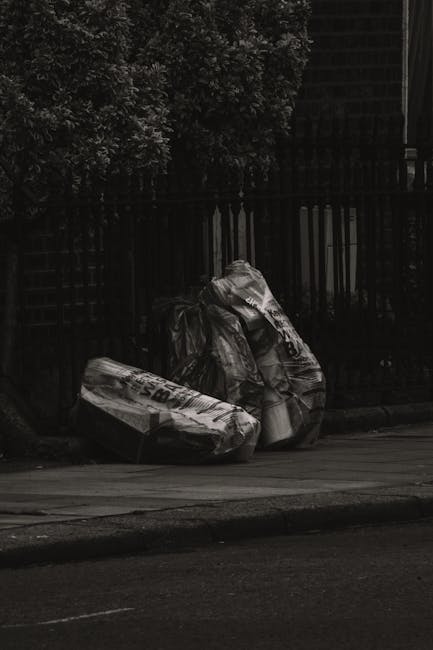
If you are staring at a tired sofa in the hallway, a broken wardrobe in the spare room, or a heap of garden clippings that has turned into a small mountain, you are not alone. West Barnes estate bulky rubbish removal tips matter because bulky waste is awkward, heavy, and often time-sensitive. The wrong approach can mean damaged walls, missed collections, or a lot of wasted Saturday afternoon. The right approach? Much calmer, much tidier, and honestly a lot less stressful.
This guide brings together practical, local-minded advice for handling bulky rubbish on the West Barnes estate. You will find clear steps, useful comparisons, compliance notes, and a realistic checklist you can actually use. There are no magic tricks here. Just the sort of straightforward guidance that helps you clear space without turning the job into a saga.
Why West Barnes estate bulky rubbish removal tips Matters
Bulky rubbish is not the same as a normal bin bag full of household waste. A mattress, fridge, sofa, shed panels, broken gym gear, or builder's offcuts take up room quickly and can be awkward to move safely. On an estate like West Barnes, access can be the real issue: narrow paths, shared entrances, parked cars, and neighbours who still need to get past. If you plan badly, what looked like a simple clear-out can become a messy obstacle course.
There is also the practical side. Bulky items often need separating before collection, and certain materials require special handling. For example, appliances, hazardous materials, and sharp construction waste should never be lumped together and dragged out at random. A bit of planning can save you time and protect flooring, lifts, door frames, and your back. That last one matters more than people admit.
In our experience, the biggest benefit of getting this right is pace. Once items are sorted, measured, and ready, bulky rubbish removal feels almost smooth. Not glamorous, no. But smooth enough that you can breathe again and get your space back.
How West Barnes estate bulky rubbish removal tips Works
The process is usually simpler than people expect, but only if you treat it as a sequence rather than one giant chore. First, identify exactly what needs going. Then separate reusable, recyclable, and disposal-only items. After that, check access points and choose the most suitable removal method. Sounds plain, but a tidy process prevents most headaches.
For many households and small businesses, bulky waste falls into one of a few common groups:
- old furniture such as sofas, tables, wardrobes, and shelving
- white goods and appliances, including fridges and washing machines
- garden waste bundled with larger outdoor debris
- garage or loft clutter, where items have been stored for years
- builder's waste, which often includes mixed materials from small projects
Depending on the items, the removal route can vary. Some people want a full property clear-out, while others just need help with one or two awkward pieces. If you are clearing several rooms, services like home clearance, house clearance, garage clearance, or loft clearance can be more practical than trying to piece everything together yourself.
One thing people sometimes overlook: bulky rubbish often hides other waste inside it. A wardrobe may contain screws, mirrors, old paperwork, or broken fittings. A sofa may have wooden framing, springs, and fabric that needs separate handling. So the job starts before the lifting starts.
Key Benefits and Practical Advantages
Done properly, bulky rubbish removal gives you more than a clear floor. It improves movement, makes cleaning easier, and usually reduces that low-level background stress that builds up when clutter lingers too long. You will notice the difference the moment a hallway stops feeling squeezed.
Here are the main practical advantages:
- Safer movement around the property - fewer trip hazards, blocked exits, and bruised shins.
- Faster room-by-room clearing - once the large stuff goes, the rest is easier to sort.
- Better recycling outcomes - separating materials early can help avoid sending everything to general waste.
- Less damage to shared spaces - especially important in estate settings where stairwells and entrances are shared.
- Cleaner handover for landlords, tenants, or buyers - a proper clear-out can make a property feel looked after.
There is another benefit people often underestimate: decision fatigue drops. When the bulky items are gone, the remaining tasks feel smaller. Suddenly the job is "sort that drawer" rather than "clear the whole place." That shift matters.
If you are trying to remove an old sofa, bed frame, or dining set, dedicated services such as furniture clearance, furniture disposal, or mattress and sofa disposal can be a good fit, especially when the items are heavy, bulky, or awkwardly positioned.
Who This Is For and When It Makes Sense
This kind of guidance is useful for a wider group than you might think. It is not just for people doing a full house clearance. It also helps tenants, landlords, homeowners, shop owners, office managers, and anyone who has reached the point where "I'll deal with it later" has become a very expensive sentence.
It makes particular sense if you are:
- clearing out after a move
- making a room usable again after long-term storage
- emptying a loft, cellar, garage, or shed
- removing old office furniture or archived clutter
- getting rid of post-renovation debris
- replacing large appliances or furniture
Small businesses on or near the estate may also need regular help with bulky items. A shop refit, office move, or stockroom clear-out can create large waste loads quickly. In those cases, a structured approach is better than a rushed one, and business waste removal is often the right place to start.
To be fair, some clear-outs are emotionally harder than they look. A dining table can mean family dinners. An old cot can be hard to move on. Bulky rubbish is not always just rubbish. Give yourself a minute with it. Then move forward.
Step-by-Step Guidance
If you want the process to go smoothly, follow a proper sequence. This is where most people save the most time. Skipping around feels quicker, but usually it is not.
- Walk the space first. Make a full list of bulky items, including anything hidden behind or inside larger pieces.
- Sort by material and risk. Separate furniture, appliances, garden waste, construction waste, and anything that may need special handling.
- Measure the awkward bits. Check whether items will fit through doors, down stairs, or through the main access route without damage.
- Check what can be reused or recycled. Some items may be suitable for donation, resale, or parts recovery. If not, at least keep recyclable materials grouped together.
- Protect floors and walls. Use blankets, cardboard, or board sheets where needed, especially in tight hallways or communal entrances.
- Choose the removal method. Self-load, skip hire, or a professional bulky waste collection each suit different jobs.
- Prepare access in advance. Move cars if needed, unlock gates, and let neighbours know if shared access will be used.
- Lift safely or leave it to trained handlers. If a piece is too heavy or too awkward, do not gamble with it. A strained back is not a win.
If the job involves mixed waste from a strip-out or upgrade, you may also want to read the guidance on builders waste clearance. That is especially helpful when bulky waste includes timber, broken fixtures, plasterboard offcuts, or packaging from renovation materials.
And yes, it is worth checking the item list twice. You will almost always find one rogue object hiding in plain sight.
Expert Tips for Better Results
Here is where the small details pay off. A bit of local know-how can make a bulky rubbish job cleaner, safer, and less rushed.
- Group items by exit route. Keep everything moving in one direction. Constant back-and-forth is what slows a job down.
- Break down what can be dismantled. Flat-pack furniture, shelving, and bed frames are easier to move in pieces. Just keep screws and fittings in a labelled bag.
- Do the heavy lifting early in the day. Cooler mornings are kinder on the body, especially in summer.
- Keep hazardous items separate. Paints, chemicals, gas bottles, batteries, and certain electricals should not be treated as ordinary rubbish.
- Have a "maybe" pile. If you are unsure whether something should stay or go, set it aside. That little buffer prevents rash decisions.
- Photograph tricky items before collection. This helps with planning and avoids confusion later. Handy, really.
If you are dealing with appliances, use extra caution. A fridge or freezer is heavy in a very awkward way, and older units can contain components that need special disposal. For that reason, fridge and appliance removal is worth considering instead of improvising with a hand trolley and hope.
One more small but important point: if your route includes stairs or a shared corridor, pad the corners. The sound of a heavy item scraping paint off a wall is horrible. You only make that mistake once.
Common Mistakes to Avoid
Most bulky waste problems are not caused by the waste itself. They are caused by haste. A rushed approach usually means one of these mistakes:
- Leaving everything until the last minute. Then you are lifting under pressure and making bad calls.
- Mixing incompatible waste streams. This can make recycling harder and disposal more complicated.
- Ignoring access issues. A item may be light enough, but the turn in the hallway is the real problem.
- Forgetting specialist items. Appliances, hazardous waste, and confidential materials need proper handling.
- Assuming a skip solves everything. It can be useful, but only if the site has space and you know exactly what can go in it.
If you are thinking about a skip, the page on what can go in a skip is a sensible reference point. It helps set expectations before you start filling anything up with mixed rubbish and regret.
Another common slip: underestimating how many bags or pieces are actually there. It always seems like "a couple of bits" until you begin moving them. Then it is suddenly a whole afternoon. Funny how that happens.
Tools, Resources and Recommendations
You do not need a van full of gear to clear bulky rubbish, but a few practical tools make the job safer and faster. The goal is not to over-engineer the process. Just avoid making hard work harder.
| Tool or Resource | Best Use | Why It Helps |
|---|---|---|
| Work gloves | General handling | Protects hands from splinters, sharp edges, and grime |
| Trolley or sack truck | Heavy straight moves | Reduces strain on the back and makes transport easier |
| Blankets and cardboard | Protecting walls and floors | Useful for tight hallways, lifts, and door frames |
| Heavy-duty bags | Smaller break-up waste | Keeps loose debris contained and easier to carry |
| Collection plan | Any bulky rubbish job | Stops missed items, duplicate trips, and confusion on the day |
For larger moves, a service that handles full-property or room-by-room clear-outs can be more efficient than trying to borrow transport and muscle everything through yourself. Pages such as flat clearance and office clearance are useful when the waste is spread across multiple rooms or includes desks, chairs, filing cabinets, and assorted clutter.
There is also a trust factor. Choosing a company that explains handling, safety, and disposal clearly gives you more confidence that the job will be done properly. That sounds basic, but it matters when you are handing over a pile of heavy, inconvenient stuff.
Law, Compliance, Standards, or Best Practice
When bulky rubbish includes mixed materials, electricals, or hazardous items, best practice becomes more than just common sense. In the UK, householders and businesses should be careful about how waste is stored, moved, and handed over. You do not need to know every detail to make a sensible choice, but you do need to avoid casual dumping or handing waste to anyone who cannot explain what happens next.
A good rule is simple: if an item could leak, cut, contaminate, or create a fire risk, keep it separate and ask for proper handling. That includes items like certain chemicals, broken fluorescent lighting, old fridges, batteries, and some construction leftovers. For sensitive material, confidential shredding can also be relevant if you are clearing an office or home workspace. It is boring until it saves you a headache.
Quality and safety policies matter too. If you are comparing removal providers, it is reasonable to look for information about health and safety policy, insurance and safety, and recycling and sustainability. These pages help you understand how seriously a company treats safe lifting, lawful disposal, and environmental responsibility.
For residents and business owners alike, the key is not to guess. If you are unsure whether something is safe to mix into general bulky waste, keep it out until you have a clear answer. That caution is not overkill. It is just smart.
Options, Methods, or Comparison Table
There is no single right way to remove bulky rubbish. The best choice depends on volume, access, urgency, and what the items are made of. Here is a practical comparison.
| Method | Best For | Pros | Watch Outs |
|---|---|---|---|
| Self-clear and hire transport | Small loads, flexible timings | Can suit simple clear-outs if you already have help | Time-consuming, physically demanding, easy to underestimate effort |
| Skip hire | Mixed waste over several days | Handy for ongoing projects and phased sorting | Needs space, loading discipline, and item restrictions |
| Professional bulky waste removal | Heavy items, quick turnarounds, awkward access | Fast, efficient, less lifting, better for larger or trickier jobs | Needs clear item lists and accurate access details |
| Full property clearance | Homes, flats, estates, move-outs, deceased estates | Covers multiple rooms in one plan, often easier emotionally too | Requires careful sorting and a clear scope |
If your waste is mainly furniture, a dedicated route can be more efficient. If it is a bit of everything, a broader service like waste removal or home clearance may suit better. The point is to match the method to the mess, not the other way around.
Case Study or Real-World Example
Picture a typical West Barnes estate clear-out on a damp Tuesday morning. Nothing dramatic. Just a flat with two old wardrobes, a sagging sofa, a broken chest of drawers, and a few bags of mixed loft clutter that had been waiting in the corner for far too long. The hallway was narrow, the front door opened awkwardly, and there was a parked car making the path tighter than anyone liked.
The difference came from preparation. The bulky items were checked the day before, the fragile bits were removed, and the route was planned from the front room to the exit. One wardrobe was dismantled in place. The sofa was moved last so the hallway stayed clear. Floors were covered near the tight turn by the radiator. No drama. No wall marks. No shouting across the landing.
What made the job feel easy was not brute force. It was sequencing. The collection went from feeling impossible to feeling ordinary, which is usually what you want. Not exciting. Just done.
That same approach works whether you are handling one bulky item or several rooms' worth. And if a loft or garage has become the unofficial family archive, services like garage clearance or loft clearance can take the weight off your shoulders, literally and mentally.
Practical Checklist
Use this before collection day. It keeps the job grounded and stops little problems from becoming bigger ones.
- Make a full list of every bulky item.
- Separate furniture, appliances, garden waste, and construction debris.
- Check for batteries, fluids, glass, sharp edges, or hazardous materials.
- Measure doorways, stair turns, and any tight access points.
- Protect floors, skirting boards, and corners where needed.
- Decide what can be reused, donated, recycled, or disposed of.
- Choose the removal method that fits the volume and timing.
- Confirm whether any item needs specialist handling.
- Keep pathways clear for safe lifting and movement.
- Do a final sweep before collection so nothing gets missed.
It sounds obvious on the page. In real life, it stops the classic "oh, we forgot that one" moment. We have all had one of those.
Get a free quote today and see how much you can save.
Conclusion
West Barnes estate bulky rubbish removal tips are really about making a difficult job manageable. Once you sort the items, plan the route, and choose the right removal method, the whole process becomes far more predictable. That is what people usually want, even if they do not say it out loud: predictability, less strain, and a space that feels usable again.
Whether you are clearing a flat, emptying a garage, removing old furniture, or dealing with a mixed load from a renovation, the best results come from careful preparation and sensible decisions. Keep the risky stuff separate, think about access early, and choose the method that suits the waste rather than forcing the waste to suit the method. Simple, really.
And once the bulky stuff is gone, that lovely feeling of space returns. Windows seem brighter. Rooms sound quieter. The place breathes a bit easier. Which, to be fair, is the whole point.
Frequently Asked Questions
What counts as bulky rubbish on the West Barnes estate?
Bulky rubbish usually means large items that do not fit in normal bins, such as sofas, wardrobes, mattresses, appliances, tables, fencing, shed parts, and similar awkward waste. It can also include mixed clutter from lofts, garages, and small clear-outs.
Is it better to use a skip or a bulky rubbish removal service?
It depends on the job. A skip can work well if you have space, time, and mostly general waste. A bulky rubbish removal service is often better for heavy items, tight access, or when you want the waste lifted away quickly rather than loading it yourself.
How do I prepare large items for collection?
Clear the route, check for hidden loose parts, remove drawers or detachable shelves, and make sure fragile pieces are packed away. If something can be dismantled safely, that usually helps. If not, leave it intact and flag it in advance.
Can I mix furniture, garden waste, and builder's debris together?
Sometimes mixed loads are accepted, but it is better to sort waste where possible. Mixed waste can be harder to recycle and may affect how the load is handled. If you have construction leftovers as well, builders waste clearance may be the better route.
What should I do with old fridges or washing machines?
Appliances should be handled separately because they can contain materials that need special treatment. A dedicated appliance removal service is usually the safest option, especially for large items that are heavy or difficult to manoeuvre.
Are there items that should never go with ordinary bulky waste?
Yes. Hazardous items, certain chemicals, batteries, gas bottles, and other potentially dangerous materials should be kept separate. If you are unsure, do not mix them in. Ask for proper handling or specialist disposal.
How can I avoid damaging walls or floors during removal?
Use blankets, cardboard, or protective sheets around tight corners and door frames. Move slowly, keep the route clear, and do not rush the last turn. That final corner is where most scuffs happen, annoyingly enough.
Is bulky rubbish removal suitable for flats on shared access routes?
Yes, but planning matters more. Communal hallways, stairwells, and entrances need extra care, and it helps to keep disruption low for neighbours. Flat clearance services are often a good match for these situations.
How do I know if a provider is taking safety seriously?
Look for clear information about insurance, health and safety, and responsible handling. A provider that explains how they manage lifting, access, and waste separation is usually a safer choice than one that gives vague answers.
Can bulky rubbish removal help with a house move or end-of-tenancy clean?
Definitely. It is often one of the smartest things you can do before handing back keys or listing a property. Removing large items first makes everything else easier, from cleaning to photography to final inspections.
What is the quickest way to clear a lot of bulky waste?
The quickest way is usually to sort items in advance, mark anything that needs special handling, and book a service that matches the load size. Clear access and a tidy item list can save a surprising amount of time on the day.
Where can I get more help if the clearance job is bigger than expected?
If the job turns out to be larger than planned, it helps to look at related services such as home clearance, house clearance, office clearance, or waste removal. Picking the right type of clearance can save a lot of back-and-forth and keep the process straightforward.